A companion is part of the preparation
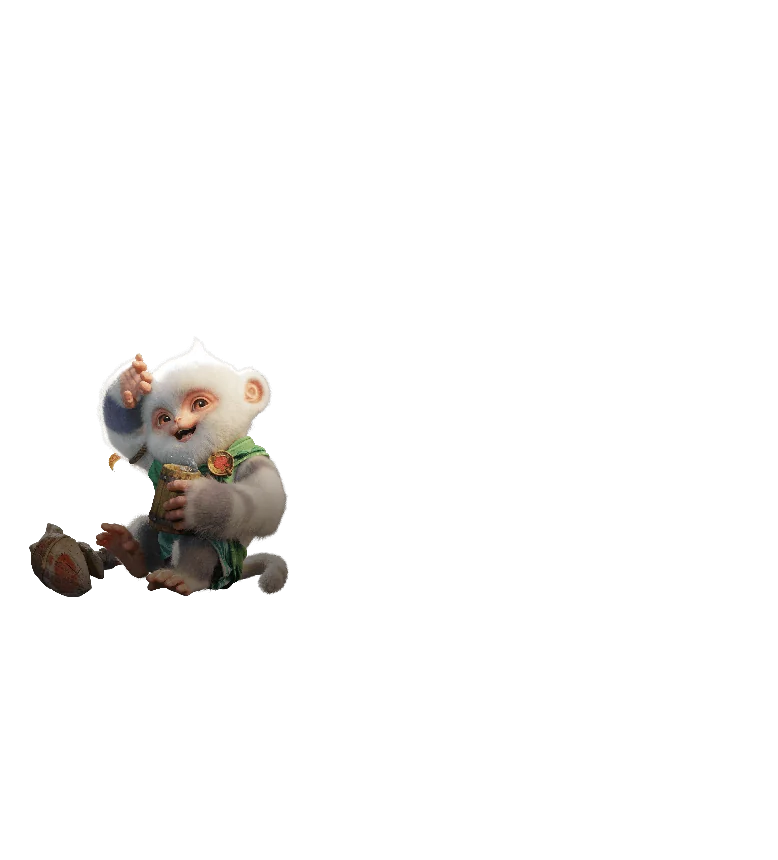
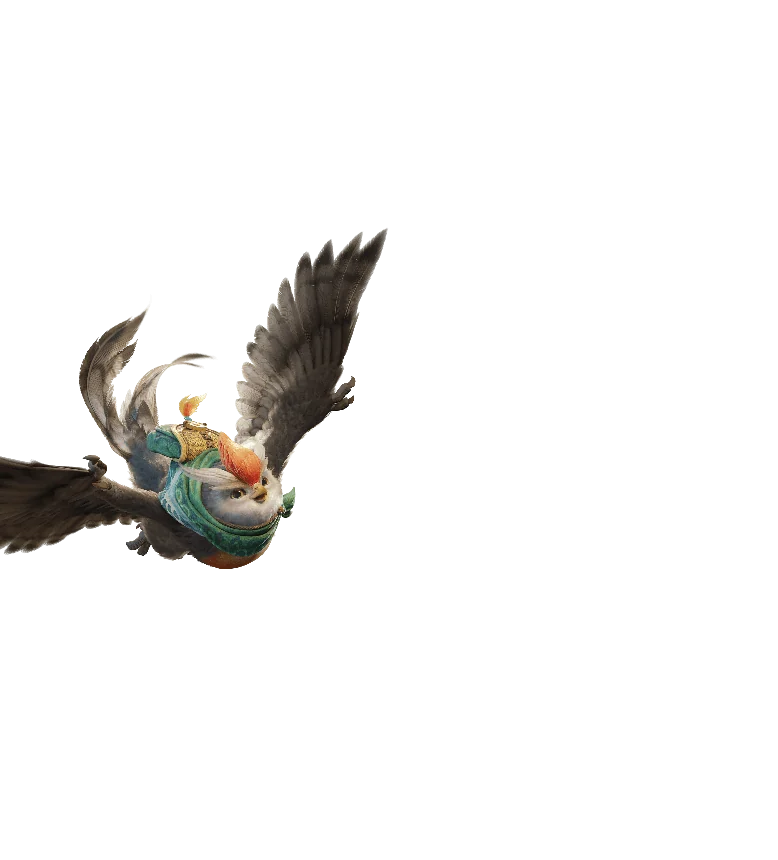
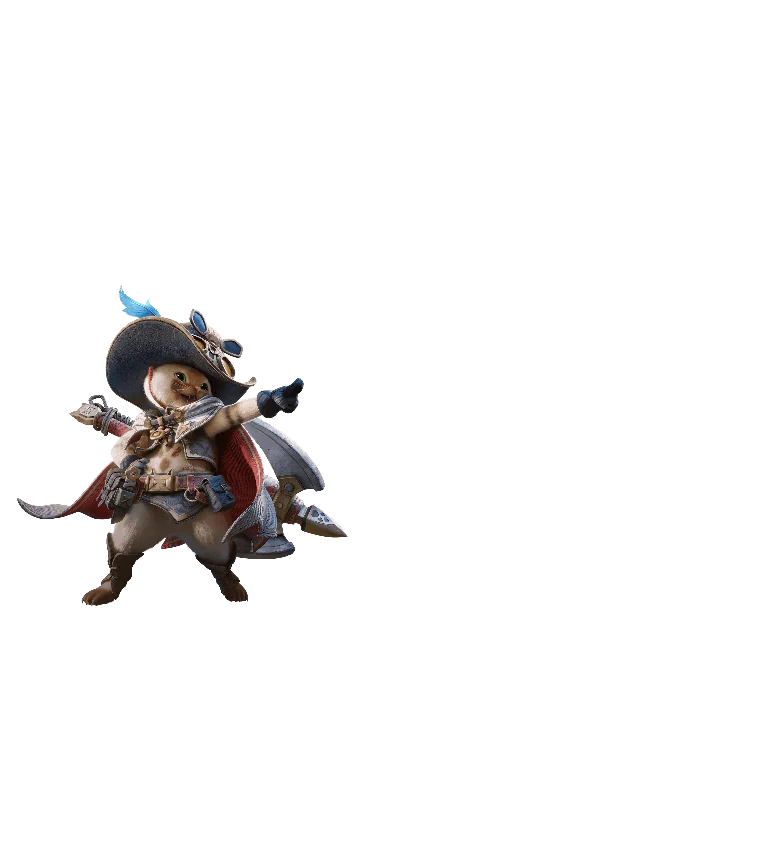
Palico, Rutaco, and Trillan are the three Buddy types presented on the official website. Their published classes are Assault, Disruptor, and Support respectively. Those labels are a useful directory, but choosing a Buddy requires reading the actual unlocked skills. A label alone cannot establish a specific heal, damage increase, interrupt, or class-matching bonus.
This guide is an editorial preparation method dated October 29, 2026. It does not rank live damage, reproduce CBT recruitment tables, or claim a current training cap. Published reporting describes changes to Buddy acquisition during development; check the launch client rather than assuming that an earlier recruitment system still exists unchanged.
The three official Buddy types
| Buddy | Official class | What to investigate first |
|---|---|---|
| Palico | Assault | The actual offensive or item skill currently unlocked |
| Rutaco | Disruptor | The effect, trigger, and target conditions of its utility |
| Trillan | Support | The recipient and availability of the support effect |
Palico is the familiar companion type, but familiarity should not become an assumed moveset. Read the particular Buddy’s current effects. Rutaco’s Aesoland identity includes tools and building, but that is not enough to promise a combat interruption against every monster. Trillan’s supportive theme should lead you to check recipients and timing, not to leave all personal recovery behind.
Give the Buddy a job
Start from the next target and the way your last hunt failed. If you maintained safe positions but lacked dependable pressure, investigate an offensive contribution. If a dangerous sequence repeatedly disrupted your team, look for a relevant verified utility. If recovery is the problem, inspect the support tools available without assuming they will cover every emergency.
State the job in a sentence you can observe: this companion should help during the recovery phase, contribute while I reposition, or supply a particular effect under a condition I can meet. Avoid a job such as make my build stronger, which gives you no way to judge whether the selection worked.
Your own Adventurer class need not be treated as an automatic match rule. This edition has not verified a universal bonus for matching Buddy and Adventurer classes. If the client displays one, read the exact condition and compare it against what the alternative Buddy actually contributes. Do not trade away a needed effect for an assumed hidden synergy.
A simple observation sheet
Keep the target and your own build constant while testing a companion. Watch the first relevant activation and record what happened. You do not need a sophisticated damage analysis to notice that an effect never reaches the intended ally or activates at a time when you cannot use it.
| Observation | Why it matters |
|---|---|
| Trigger | Determines whether you can make the effect happen deliberately |
| Recipient | Separates a self benefit from an ally or squad benefit |
| Position | Reveals whether distance or line of access changes usefulness |
| Reuse | Shows whether the effect returns within the situations you need |
| Cost or prerequisite | Prevents planning around an unavailable action |
| Failure case | Gives you a fallback when the effect cannot activate |
Several comparable attempts are more informative than one dramatic activation. A companion can appear excellent when the monster happens to create a perfect window. Conversely, a poor first result can come from an unfamiliar trigger. Keep the uncertainty visible and change one variable at a time.
Upgrade only the part you can use
Inspect the current training screen before spending. Identify the skill or effect improved by the next step, the full material cost, and the other recipes competing for that bottleneck. A broad upgrade plan is difficult to justify if the effect you wanted is still locked behind an unknown condition.
Prioritize a practical improvement that supports the next few hunts. If the upgrade consumes materials required by a quest gate or main weapon, use the crafting priority queue before confirming. A Buddy can improve a reliable baseline; it should not quietly leave the rest of your account unable to progress.
Do not assume that investment refunds, acquisition methods, or training caps from a test apply to launch. If a confirmation explains that resources are consumed permanently, read it carefully. This guide neither connects to your account nor validates which particular Buddy variants you own.
Buddies in four-player planning
The official store supports four-player hunting squads. A Buddy is not an additional human slot in our hunt planner. The planner focuses on Adventurer roles and the target hazard; companion selection remains a separate equipment decision to confirm in the game’s current lobby and hunt rules.
Tell the group which specific utility you are relying on, especially if it changes how somebody expects to recover or interrupt. Do not let two players independently assume the other companion will solve the same emergency. The safest shared plan still includes personal movement and recovery when the Buddy effect is unavailable.
Companion questions
Which Buddy should I choose first?
Start with an available Buddy whose current unlocked skill addresses a real need. Test the effect before making an expensive training decision. No universal live performance ranking is verified here.
Does Support mean unlimited healing?
No. Read the actual recipient, trigger, duration, and reuse condition. Personal recovery and safe positioning remain part of the hunt plan.
Do matching classes give a bonus?
This edition has not verified a universal matching-class bonus. Follow explicit current-client text rather than a claim repeated from a beta discussion.