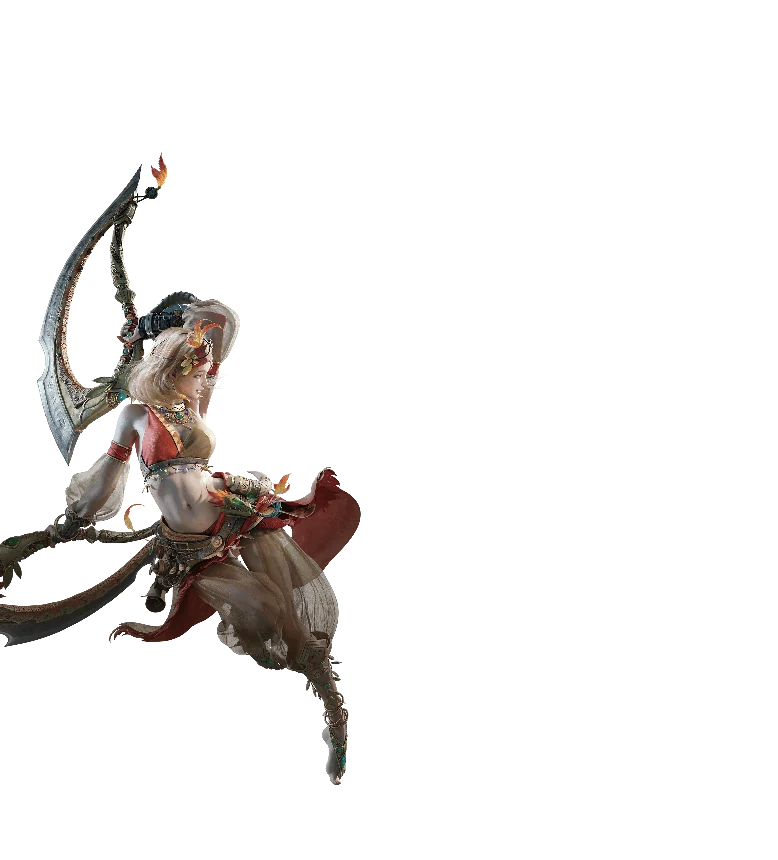
Why try Dual Blades
Use Dual Blades to investigate resource-aware mobility. Keep enough freedom for the next defensive action. A fast sequence can feel safe while quietly spending the resource you needed to leave. Stop early, restore the camera, and extend only after the shorter loop is repeatable.
The official named roster pairs three distinct kits with Dual Blades. This guide does not infer identical resource costs or defense windows across them. This note was checked October 29, 2026. The A label is editorial beginner suitability, not measured damage. Read the full armory comparison for the board’s scope.
The first practice goal
A short sequence, a deliberate stop, and a useful reposition. Pick a manageable available target and focus on that one outcome. Keep equipment, Buddy, and preparation similar between attempts. Begin with a smaller sequence than a highlight video would suggest, then extend only when you can still explain the defensive response afterward.
Record the attack that repeatedly hits you and the action you were trying to finish. Was the problem commitment, orientation, resource, camera view, or an unrecognized follow-up? Those are different failures. A useful practice change addresses the cause rather than just adding another offensive upgrade.
A mistake worth avoiding
Finishing every follow-up after the target has already turned. If the situation becomes unreadable, restore your position and view before adding more inputs. Missing one opportunity is often less costly than turning it into a chain of recovery emergencies. Do not judge the weapon solely from one unusually favorable clear.
This edition does not provide live animation frames, exact damage multipliers, elemental formulas, or a verified best-in-slot set. Check current skill and equipment descriptions before committing scarce materials to an assumed interaction.
Named kits and the Fated comparison
The published pairing context is Raya, Keres, and Haze. Raya, Keres, and Haze differ in theme and class. A Support or Disruptor label does not provide a complete effect list.
The Fated Adventurer offers a reported flexible baseline for exploring weapons, subject to current client unlocks. A named kit can change the practical resource rhythm. Comparing two complete setups is useful for personal choice, but it does not isolate weapon strength if their gear and skill investment differ.
Upgrade and group decisions
Fund one useful current recipe after the trial shows a reason to keep playing this weapon. The materials queue prioritizes a completed step over many speculative branches. Add a second family when it solves a concrete access or playstyle problem rather than to complete a collection of tier letters.
In a four-player hunt, state the actual job you will perform. The team planner describes class coverage but does not simulate whether your sequence can punish a particular Radiant move. Read the target primer and keep a fallback for an opening that ends early.
Questions
Is Dual Blades ranked by live damage here?
No. No controlled launch damage test was run. The board describes editorial learning fit, and Charge Blade remains unranked pending live verification.
Which exact equipment should I craft?
Use the current recipe and skill screens to choose a complete useful step for your account. This edition does not invent a launch set or unverified material quantities.