Start with a missing job
A useful Adventurer tier list begins with the question your next hunt asks. Do you need a player who can hold a reliable damage window, somebody who can contribute a verified utility effect, or a flexible slot that can change equipment as the matchup changes? A character is valuable when you can use its kit for that job. A letter without a reason cannot tell you whether the next contract or upgrade is worth spending.
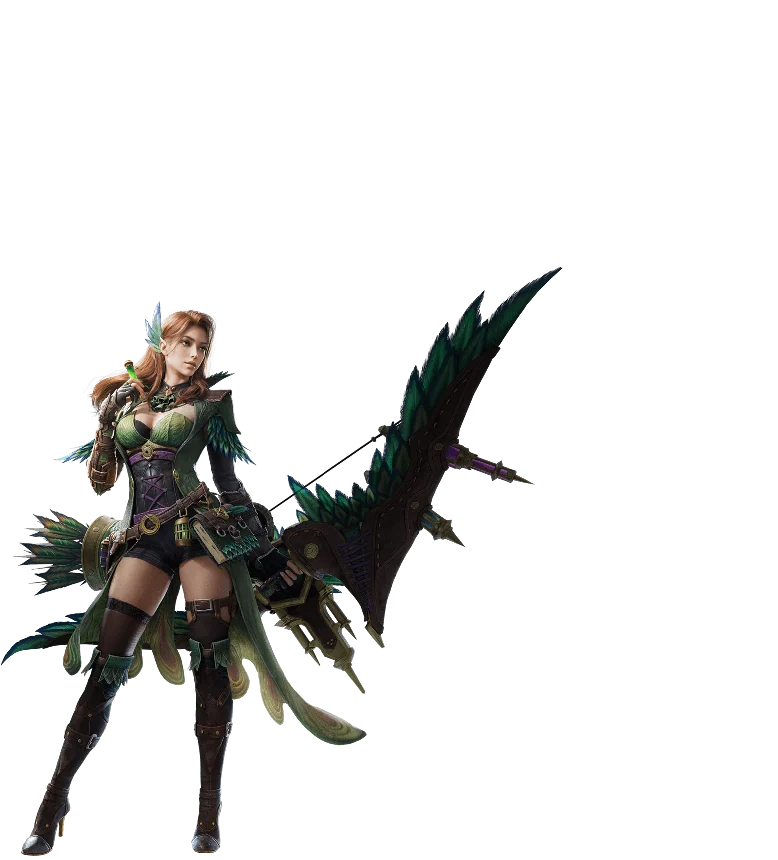
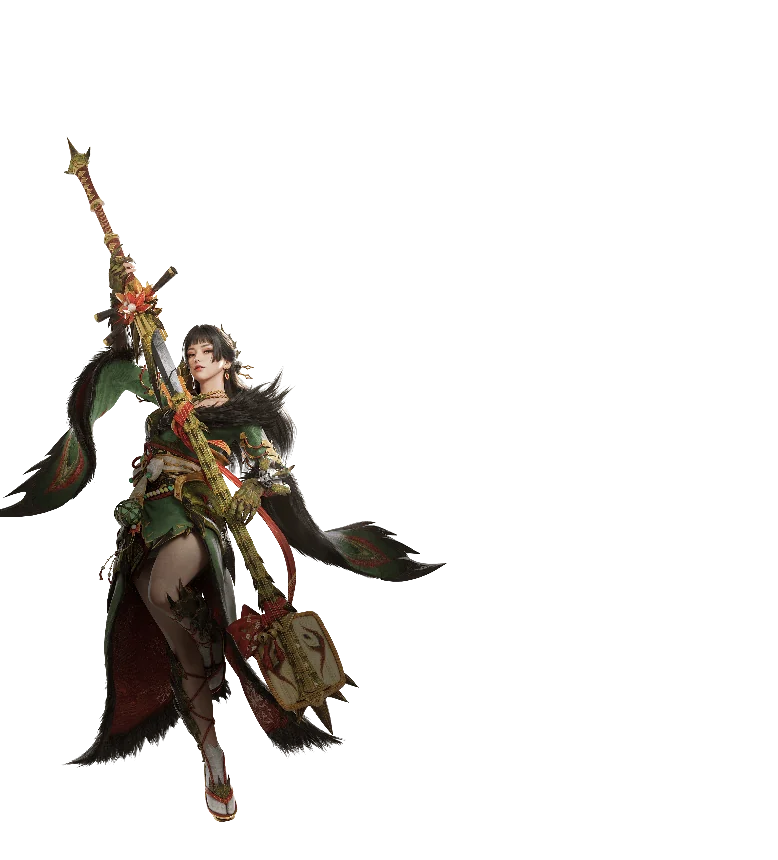
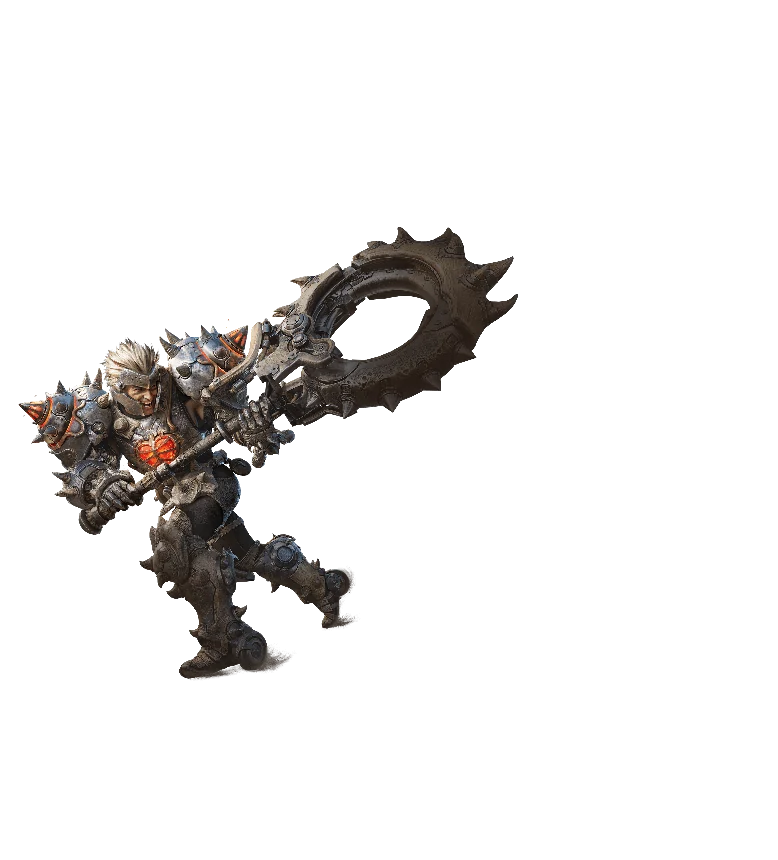
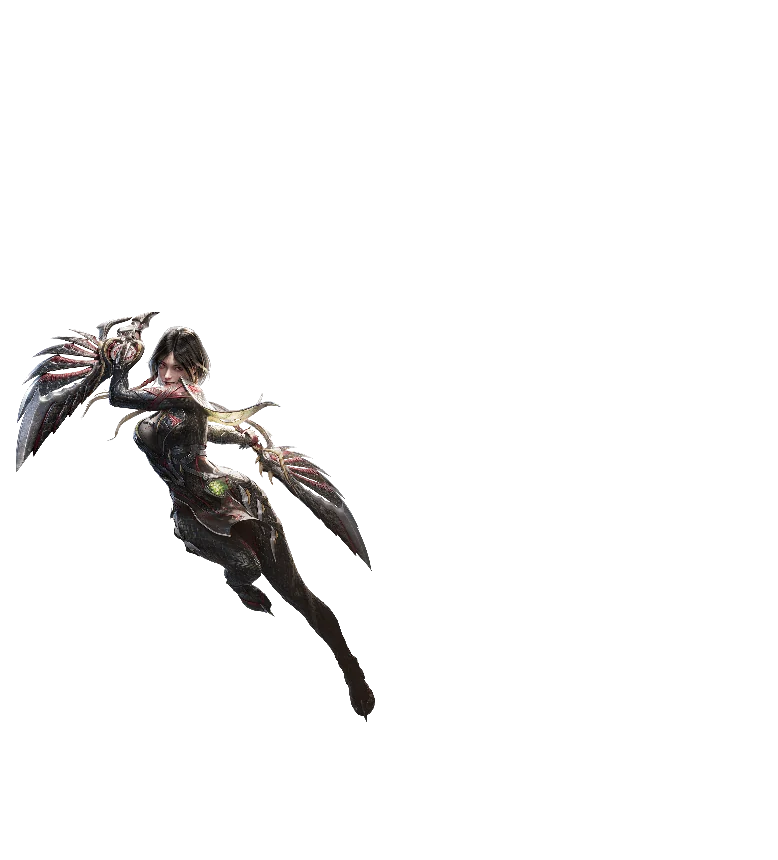
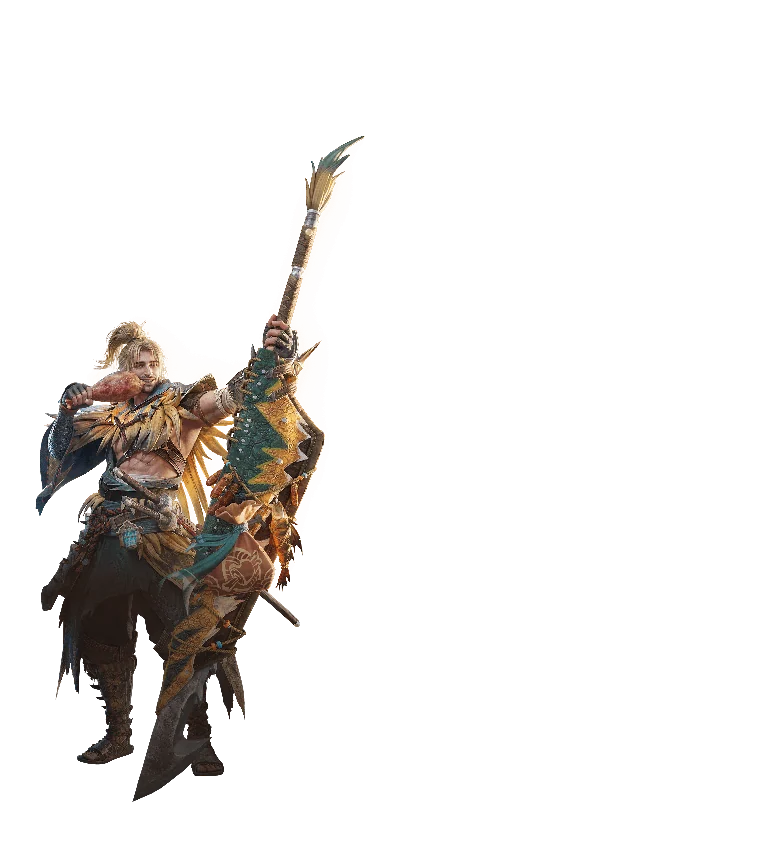
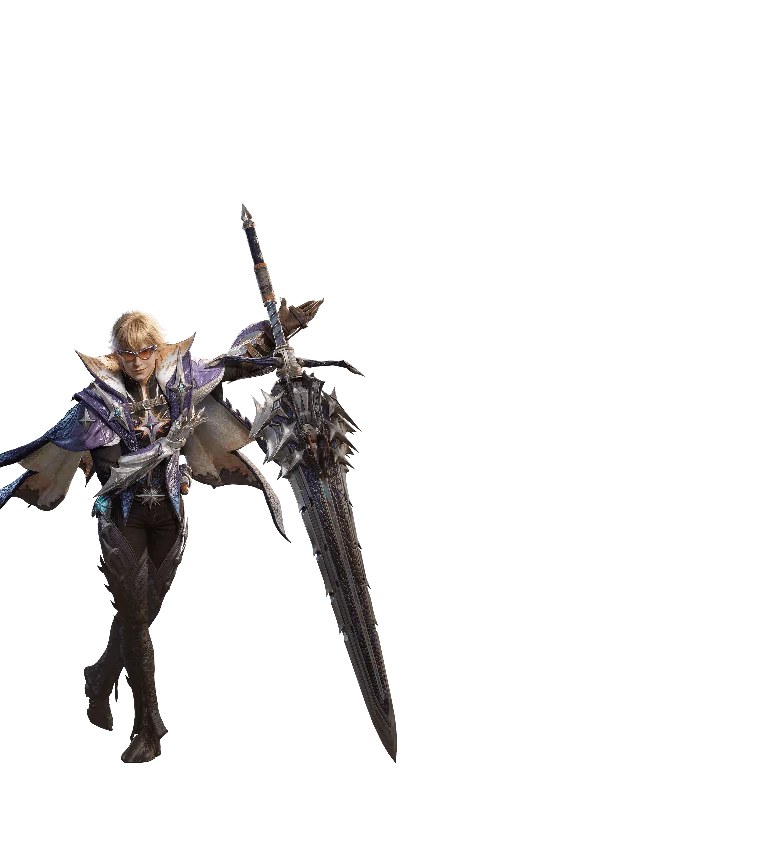
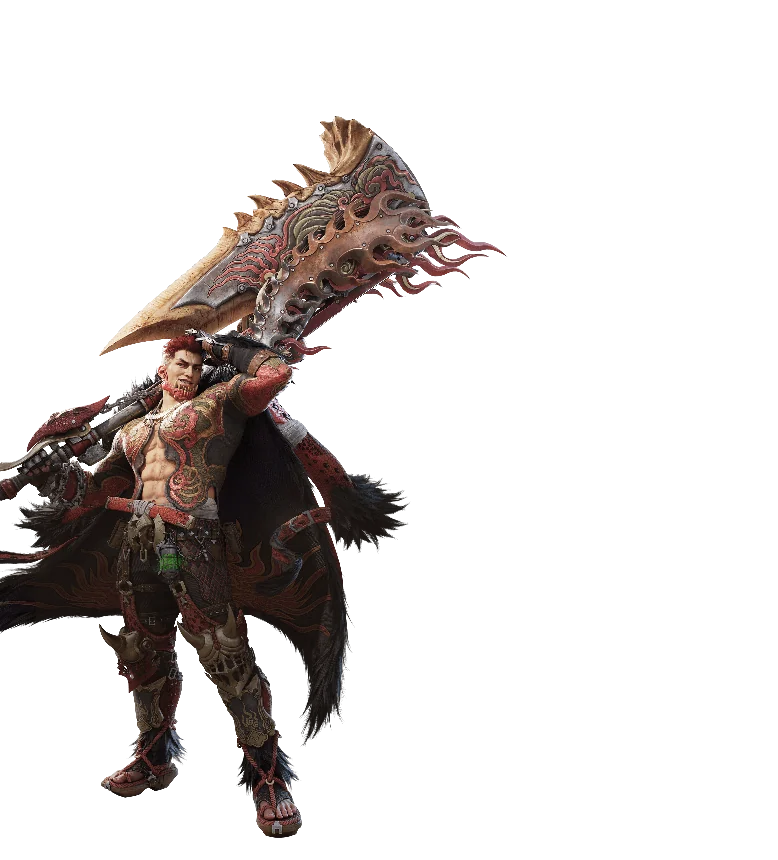
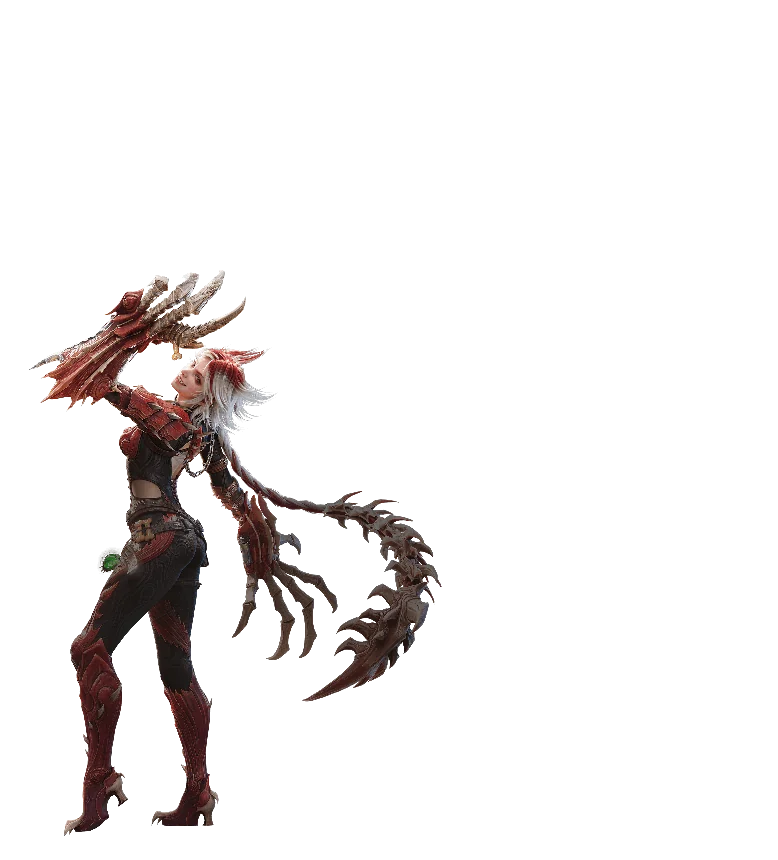
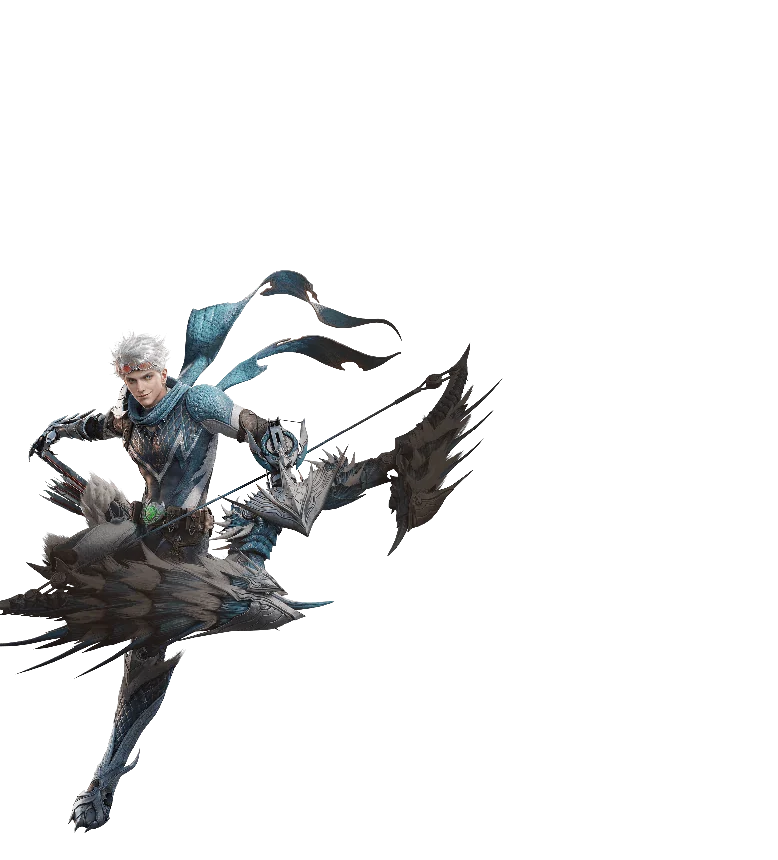
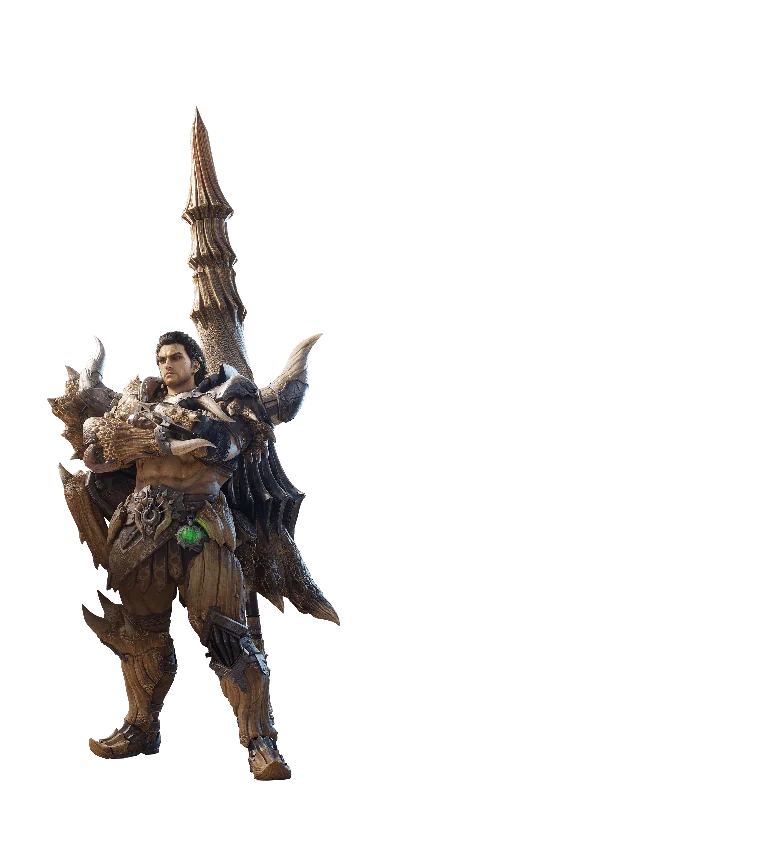
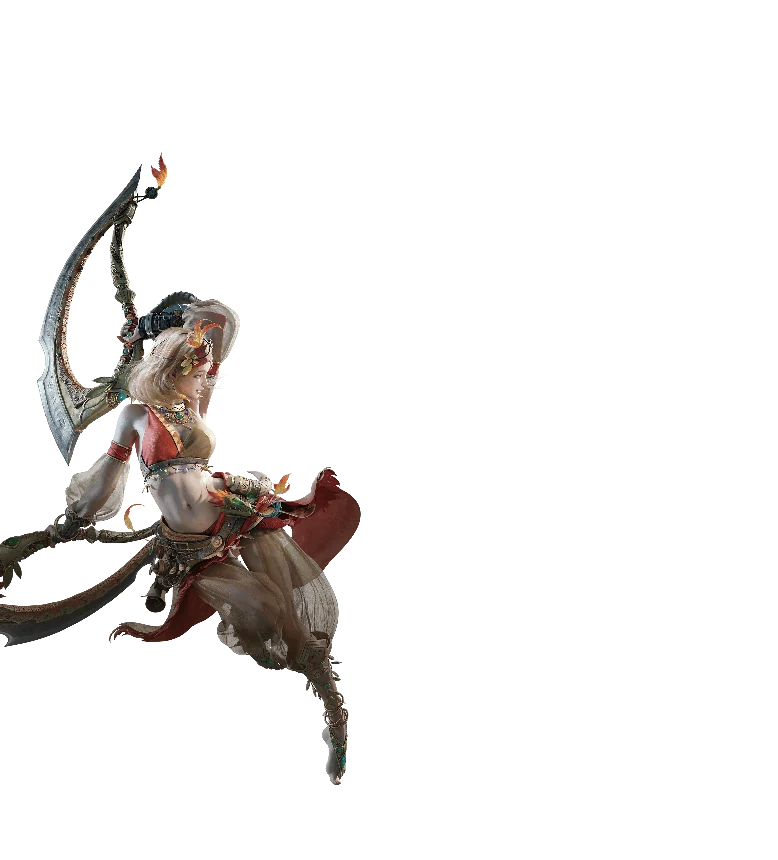
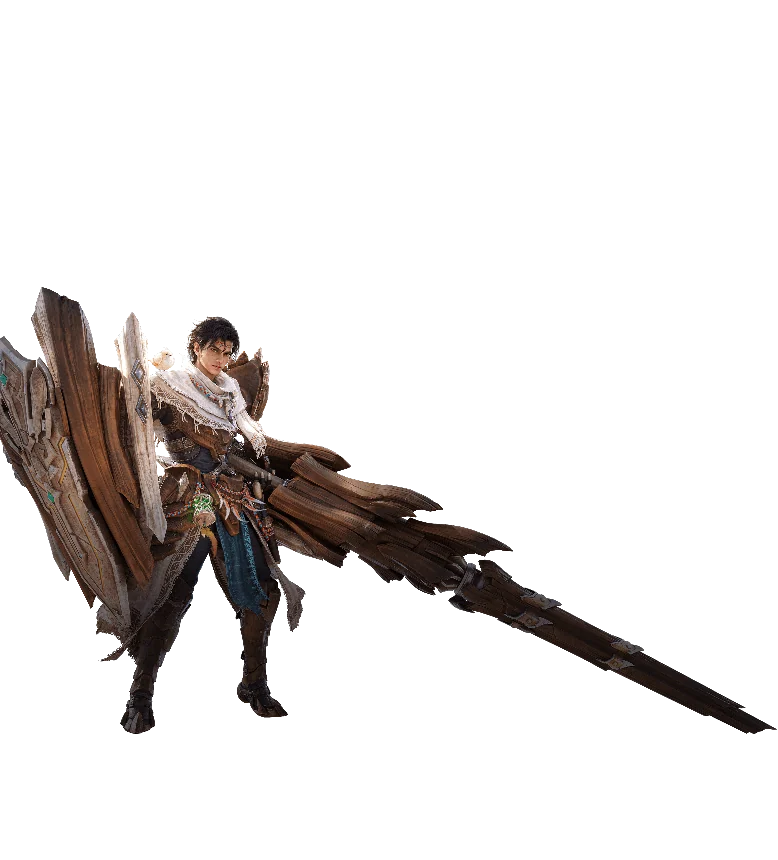
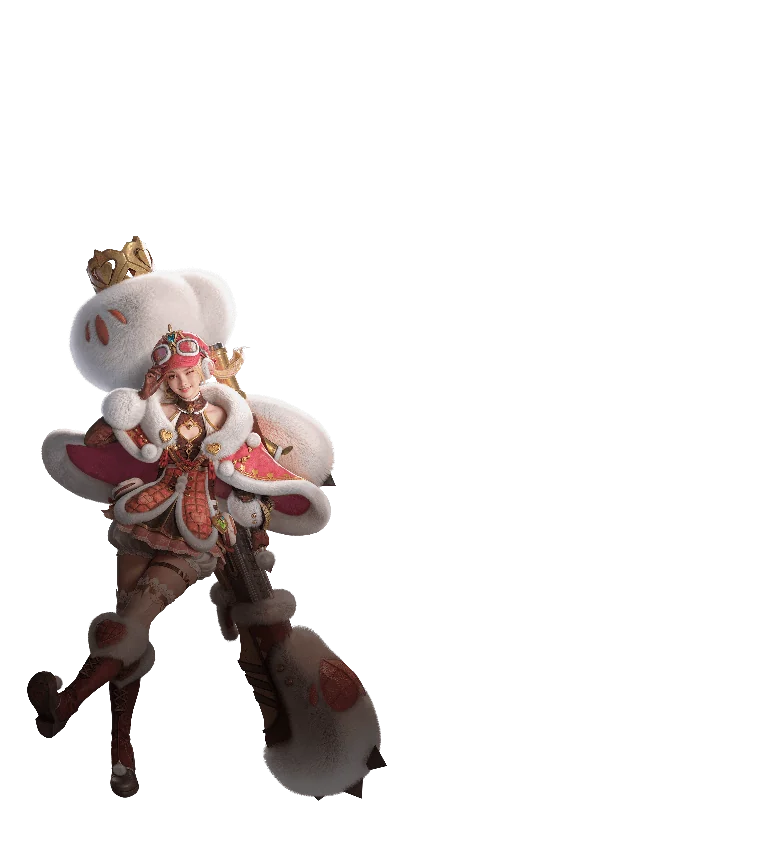
The live official site profiles 13 named Adventurers as of October 29, 2026. Their published weapon and class pairings are reproduced in the board above, with links to individual dossiers. We also provide a separate Fated Adventurer overview, using dated published reporting for the created protagonist and its flexible equipment identity. Freya is not assigned a playable build or launch tier in this edition because a story appearance alone would not verify a current recruitable kit.
This is an investment guide, not a measured damage ranking. No launch client account, controlled damage test, banner simulation, or equal-investment speedrun study was used. The recommendations are original editorial opinions dated October 29. Official descriptions establish the kit themes; they do not establish the comparative performance that would be needed for a definitive combat tier list.
How this tier board works
S-flex means the Fated Adventurer is a flexible account investment. A means the named kit is worth considering when you need the described job. B means the fit is more specialized or puts a particular demand on the player. Review means we lack enough launch evidence to make an investment recommendation. Review is not a disguised low tier; a newly profiled character can be excellent while still lacking sufficient information for responsible advice.
| Label | What it means | What it does not mean |
|---|---|---|
| S-flex | Prioritize learning a flexible created hunter path | Highest damage in every encounter |
| A | Trial for a specific roster need before committing | Mandatory pull or best account for everyone |
| B | Read the specialist demand and test personal fit | Weak, unusable, or excluded from co-op |
| Review | Keep launch investment judgement open | Confirmed poor performance |
Our A group currently contains Madelyn, Arkaya, Pyro, and Raya for different reasons. That is a set of conditional suggestions, not a single optimal four-person squad. Support utility, burst preference, and the ability to investigate a milestone claim are different forms of account value. They cannot be reduced to one damage number without changing the question.
We do not import CBT tier letters. Official pre-launch videos are dated where used, and launch balance can change their practical implications. If a later update changes a skill, the current client takes precedence over a page last checked on launch day. Use the source ledger to see what has been verified and which facts still need a live client check.
The three classes are a starting vocabulary
Assault, Support, and Disruptor are useful labels for discussing a team, but they are not complete skill descriptions. An Assault kit may still have defensive tools. A Support kit may contribute through a shield, a nearby buff, or a resource interaction rather than a large repeatable heal. A Disruptor label does not prove that every attack stuns or that an interrupt works on every Radiant move.
Ask four practical questions about any utility skill. What triggers it? Who receives it? How long is it available? What does using it cost in time, resource, or position? The recipient question is especially important: a defensive effect on the user should not be advertised as squad-wide protection without supporting text or a verified test.
| Class | Planning question | Common mistake |
|---|---|---|
| Assault | Can this player turn known openings into dependable pressure? | Treating damage intent as permission to ignore survival |
| Support | Which specific effect helps this group and under what conditions? | Assuming the label promises unlimited healing |
| Disruptor | What control or utility effect is actually verified? | Promising a guaranteed interruption from the class name |
| Fated flex | Which concrete job will this slot perform today? | Assuming flexibility covers every missing role simultaneously |
For a four-player hunt, begin with role coverage, then refine the specific skills. A group with each label represented can still lack a reliable status answer or an escape plan. Conversely, experienced players may complete a hunt without a tidy one-of-each class spread. The planner exposes coverage; it does not certify a winning composition.
Fated Adventurer: invest in flexibility
The Fated Adventurer deserves a separate label because its value is not just another named kit. Published reporting describes the customizable protagonist as the flexible gear path. That is why this guide recommends learning it while you discover which weapon rhythm fits. It gives the account a practical baseline against which a new fixed-weapon character can be evaluated.
S-flex is not a statement that your created hunter outperforms every named Adventurer at the same investment. We have no dataset supporting that claim. It means the ability to maintain a familiar foundation while exploring different equipment is worth protecting. You should still check the current unlock conditions and available weapon options in your own client.
Start with one main weapon, not a full set of expensive experiments. Trial a second weapon when it answers a real problem, then decide whether its improved target access or defensive comfort justifies another material branch. A flexible character loses its economic advantage if you immediately spread every scarce resource across all eight families.
Read the Fated dossier for a controlled comparison worksheet. Keep its results separate from a named-character comparison: changing the weapon, skills, Buddy, and gear at the same time tells you which setup you preferred, but does not isolate why.
Madelyn: consider a utility-focused Bow
Madelyn is an A suggestion when you want to investigate ranged team utility. Her official identity connects Bow with medicines and Spores. Our recommendation is based on that kind of job, not a verified best-in-slot build or a claim that every nearby player receives a particular numerical buff.
The trial asks you to aim while remaining aware of where allies are fighting. A player who retreats far beyond the group may undermine a nearby effect even while surviving comfortably. Read the exact skill area, recipient, and trigger in the current client. Then practice keeping a useful sightline without stacking everyone in the same incoming attack lane.
Choose this direction when you enjoy supporting a group through positioning as well as attacks. Defer major investment if you dislike ranged aiming or if the supposed support effect is already redundant in your regular group. A good Support choice is the one whose actual mechanics you will use, not the one a launch-day list places highest.
Arkaya: consider a defensive Lance identity
Arkaya is an A suggestion for a player who wants to examine a guard-oriented Support kit. The official profile names a Resolve resource and a shield-linked spend. That supports a defensive identity; it does not justify inventing a permanent shield, taunt mechanic, or squad-wide damage reduction.
Test whether you can build the resource while staying in productive positions. Then examine the spend against a clear opening: does it let you remain safe, or does using it at the wrong moment trap you in a recovery? A defensive skill can still demand timing. Read whether the protection benefits Arkaya, nearby allies, or another defined recipient before assigning her the group’s entire survival plan.
Arkaya is worth investigating if you enjoy Lance movement and deliberate defense. She is not a required answer for a beginner who prefers dodging. If you already have a comfortable defensive main and no unmet utility need, more upgrades for that main may offer better immediate value than recruiting a second character for a similar job.
Pyro: consider a deliberate burst role
Pyro is an A suggestion for players who already like Great Sword’s committed punish windows. The official theme links pressure taken in battle with heavy burst. That theme should make you read the live mechanics carefully; it is not advice to absorb every avoidable hit or assume that a damage-taking loop always produces a net benefit.
In a trial, separate learning the weapon from exploring the character resource. First land short, safe Great Sword punishes. Then add the kit interaction in a controlled encounter and see what it actually costs. If the sequence consumes repeated recovery supplies or causes carts, the apparent burst has an important practical cost.
Pyro can fill the damage-focused seat in an illustrative practice squad, but only if that player has identified an opening they can use consistently. A team cannot create an unlimited opening simply by adding Support and Disruptor labels. Do not spend contracts to buy an imagined safe charge window that the actual hunt does not provide.
Raya: inspect the milestone before spending
Raya is an A suggestion partly because the official milestone display gives players a claim path to investigate. The site associates Raya with a pre-registration milestone. That is not a guarantee of delivery to every account, a universal claim deadline, or proof that a particular regional mail is already available. Confirm eligibility and receipt in the current client.
Her published Dual Blades identity emphasizes movement and converting stamina toward Demon Gauge development. The important practice question is whether you can preserve a defensive reserve. A free or gifted character can still be expensive to upgrade, and a fast kit can still punish a player who spends every resource before the next attack.
Check the milestone conditions before deciding that recruitment is necessary to fill a melee slot. If Raya is available to you and the rhythm feels comfortable, learning her can be a sensible account step. If the claim does not apply or the weapon does not suit you, use the roster you actually have. A reward recommendation should not become pressure to chase a missing gift.
B options: let the specialist fit decide
Midori, Keres, Luka, Ouyang Varen, and Pepper are in our B group because their practical fit deserves attention before a generic pull recommendation. The board does not claim that they lose damage comparisons to the A group. Each has a reason to investigate, and a player comfortable with that demand may get more value from it than from an A-labeled character they dislike.
- Midori: consider the attention needed for Long Sword timing and Spirit management. Gauge acceleration helps only when you can turn the resulting opportunities into clean actions.
- Keres: consider whether rapid melee follow-ups remain controllable when the monster moves. Do not assume a Disruptor label establishes an automatic stagger loop.
- Luka: consider precision under movement. A ranged damage identity has value when aim and positioning remain consistent during pressure.
- Ouyang Varen: consider the rhythm of guarding and building the character’s offensive resource. Defense and damage need to fit the same actual opening.
- Pepper: consider the recovery and landing of an airborne firing sequence. A stylish attack is not evidence of immunity or a free escape.
Read the dossier for the character you own before comparing rarity. The useful unit of progress is a kit you can operate in your next encounter, not an abstract increase in roster prestige. If a B option consistently solves your actual problem, the label should not talk you out of using it.
Review options: keep the judgement open
Rhodes, Haze, Ryunosuke, and Luxheart have official profiles in the current site roster. We include their correct class and weapon pairings rather than omitting newer names to preserve an older board. We do not have enough verified launch performance evidence to turn their short descriptions into a confident investment order.
Rhodes introduces a Hammer energy concept. Haze has a Support Dual Blades identity with conditional interactions. Ryunosuke links Long Sword with a food/stance resource idea. Luxheart uses a Great Sword stance concept associated with Heat. Those themes are enough to guide a trial, not enough to assign exact damage, cooldowns, or team-wide effects.
If you own one of these characters, begin with the current skill screen and a manageable target. Record what the skill actually does, whether it benefits another player, and how reliably you can activate it. Review means the evidence is pending. It should never be read as a prohibition against practicing a newly announced kit you enjoy.
A pull decision you can explain
Write down the missing job before opening a banner. Then identify the current character you use for that job and what is failing. Is the failure a missing utility effect, a weapon preference mismatch, poor gear, a layout issue, or unfamiliarity with the monster? Only some of those are solved by another Adventurer.
Inspect the current banner terms in your own region and client. Read the probabilities, guarantee conditions, available pool, duplicate effects, and duration shown there. We do not publish numeric pity, inheritance rules, or banner promises without a verifiable current source. Past test conditions should not become spending advice for launch.
Set a personal limit before using recruitment currency. If the desired character would still require materials you cannot spare, the immediate result may not improve the next hunt. It can be reasonable to wait, practice the current roster, and revisit the decision after live balance information improves. Waiting is a decision with a clear purpose when the evidence is incomplete.
Build a practice squad around observable jobs
An illustrative first-Radiant group could contain Madelyn for investigating ranged utility, Pyro for a deliberate damage window, Raya for mobile melee pressure, and a Fated player assigned a specific flex job. This is a learning example, not a simulated winning team. It assumes those players own the options and can use the needed effects in the current client.
For a more defensive practice, compare Arkaya in one slot and state what the shield interaction actually covers. Do not silently treat it as a replacement for all recovery supplies. If a group lacks a reliable status response, name the person who will bring and use the relevant item rather than assuming the class spread solves it.
Give the flex slot a single primary job for the next attempt: maintain safe ranged access, learn a defensive response, or contribute a specific verified utility. It cannot perform every task at once merely because it is flexible. Use the hunt planner to share a short brief, then refine it after observing the target together.
Record investment results fairly
Compare characters in similar conditions when possible. Keep the target, practice goal, and available preparation consistent. If equipment investment differs, record that difference instead of treating the result as a pure kit comparison. If one character is new to you, expect the learning curve to affect the outcome.
Track practical value as well as damage: frequency of emergency recovery, whether a nearby effect reached allies, time spent chasing, and the number of clean opportunities you could use. A support action that prevents a failed run can have account value that a solo damage display will not reveal. Equally, a support identity that never activates for the group should not receive credit merely from its description.
Review the result after several comparable attempts rather than one dramatic clip. Identify the most common failure, then decide whether practice, an upgrade, a different role, or a new character is the appropriate fix. This process gives a tier recommendation a real context and makes later balance changes easier to evaluate.
Adventurer questions
Who should I pull first?
No universal first pull is verified. Learn your available roster, identify a missing job, check milestone claims, and read the live banner terms. Madelyn, Arkaya, Pyro, and Raya are conditional editorial suggestions for different needs, not mandatory purchases.
Why is Fated labeled S-flex?
S-flex describes the account value of a customizable, flexible hunter path in published reporting. It does not mean highest measured launch damage or guaranteed success with every weapon.
Does Support always mean healer?
No. Check the exact effect, recipient, activation condition, and cost. A shield or nearby buff is not the same as an unlimited heal for the whole team.
Is Freya a ranked launch Adventurer here?
No. We have not verified a current recruitable kit from the official roster reviewed for this edition. Story or trailer visibility alone does not establish a playable launch build.
Can I use a B or Review character in co-op?
These labels are editorial investment guidance, not lobby restrictions. Check actual eligibility in the game and agree on a job with your group. Familiarity and role execution can matter more than a letter.