Read the board before spending
This Monster Hunter Outlanders tier list combines our Adventurer and weapon recommendations. Both boards are dated October 30, 2026 and belong to a post-launch planning edition. They assess investment fit from public profiles, kit descriptions, and this guide’s practice framework. We have not measured launch damage, timed clears, or tested every character in a live account.
Use the Adventurer board for an investment question and the weapon board for a practice direction. They answer different questions. Madelyn and Luka both use Bow, but their skills and team roles differ.
If you searched for “mh outlander tier list,” “MH Outlanders tier list,” or “Monster Hunter Outlander tier list,” this is the same game: Monster Hunter Outlanders. Those names do not describe separate rankings or regional versions.
Before turning a recommendation into a summon, read the gacha, banner, and pity guide. It separates recruitment reporting from unverified live rates; a tier label does not establish the cost or chance of obtaining an Adventurer.
What the letters actually mean
| Label | Adventurer investment meaning | Weapon learning meaning |
|---|---|---|
| S-flex | Fated Adventurer: flexibility to investigate before specializing | Not used; we have no tested universal best weapon |
| A | Worth a focused trial for the stated need if available | A useful first trial with a clear practice plan |
| B | A specific fit requiring timing, positioning, or kit knowledge | Practice the stated demand before spending heavily |
| Review / Unranked | Insufficient evidence for stronger investment advice | Live moves or performance remain unverified |
These labels do not mean “must pull,” “highest DPS,” or “cannot clear.” An evidence gap stays visible. Putting an untested character at the bottom would confuse uncertainty with weakness. A player can succeed with a B choice they understand and struggle with an A choice they cannot control.
Ask four questions: can you explain the kit’s job, reach its useful actions reliably, solve a problem in your roster, and afford a useful upgrade without abandoning your main hunter? Those criteria help with a decision; they do not establish a numerical damage advantage.
Adventurer tier decisions
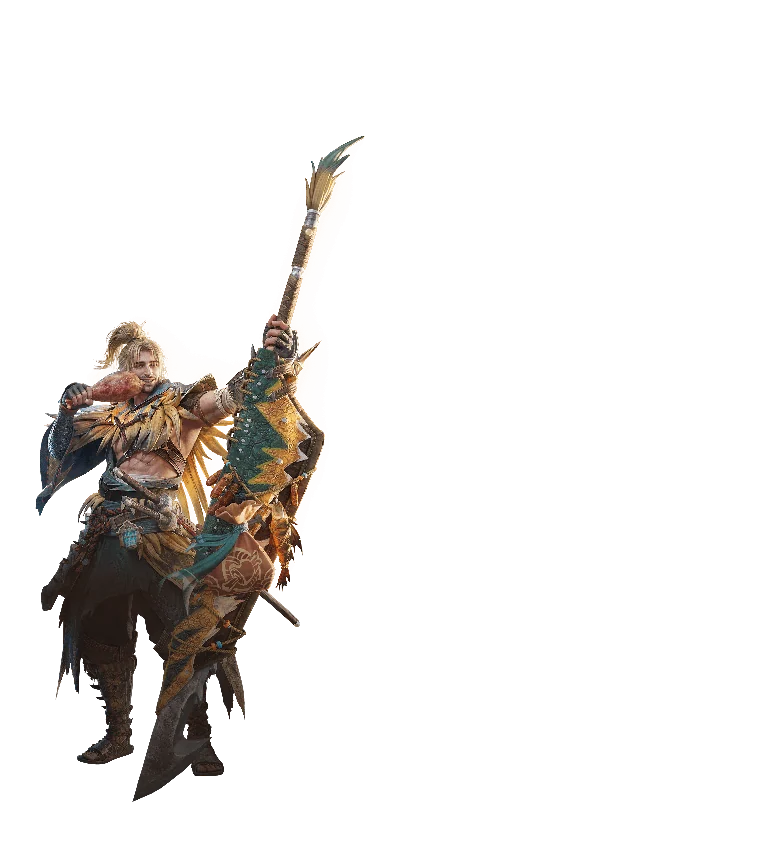
Fated Adventurer — S-flex. Investigate weapon preference before specializing. This recommendation concerns flexibility, based partly on attributed pre-launch recruitment reporting. Confirm live equipment and progression rules before assuming every crafted option is immediately available. Read the Fated Adventurer dossier.
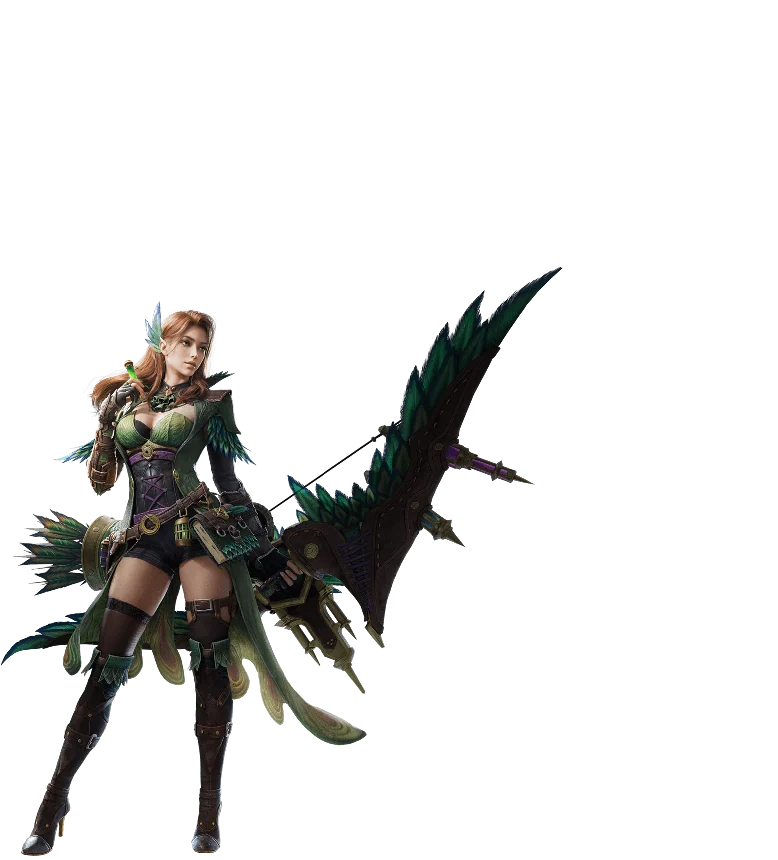
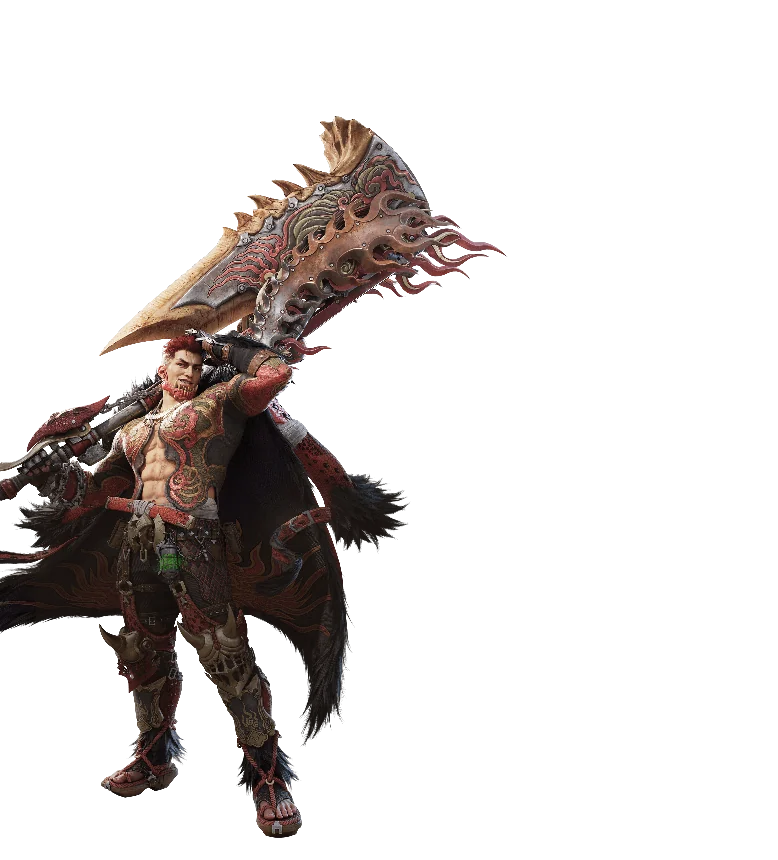
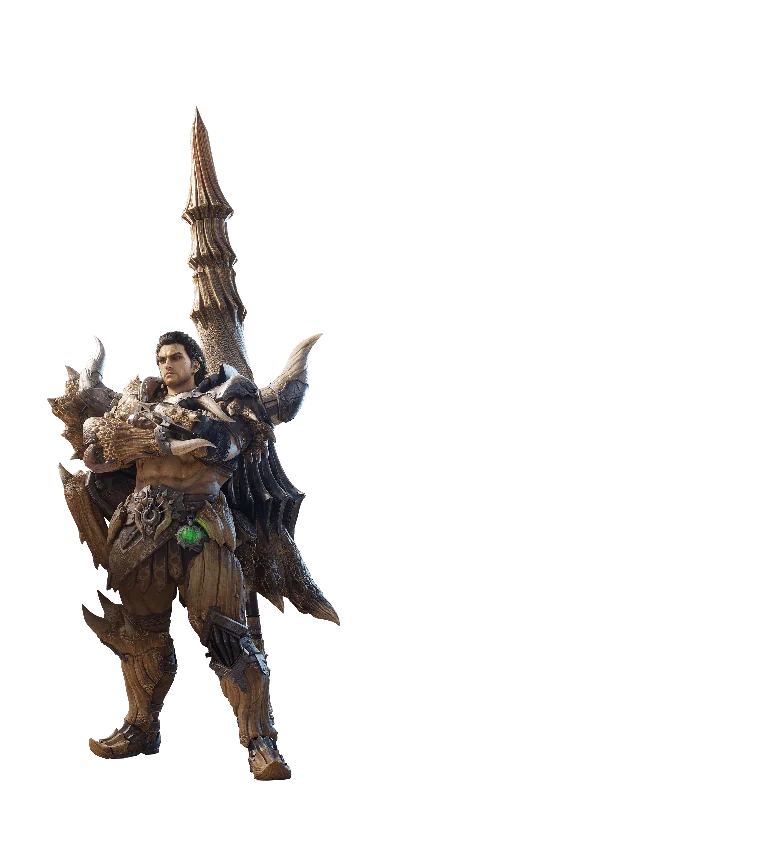
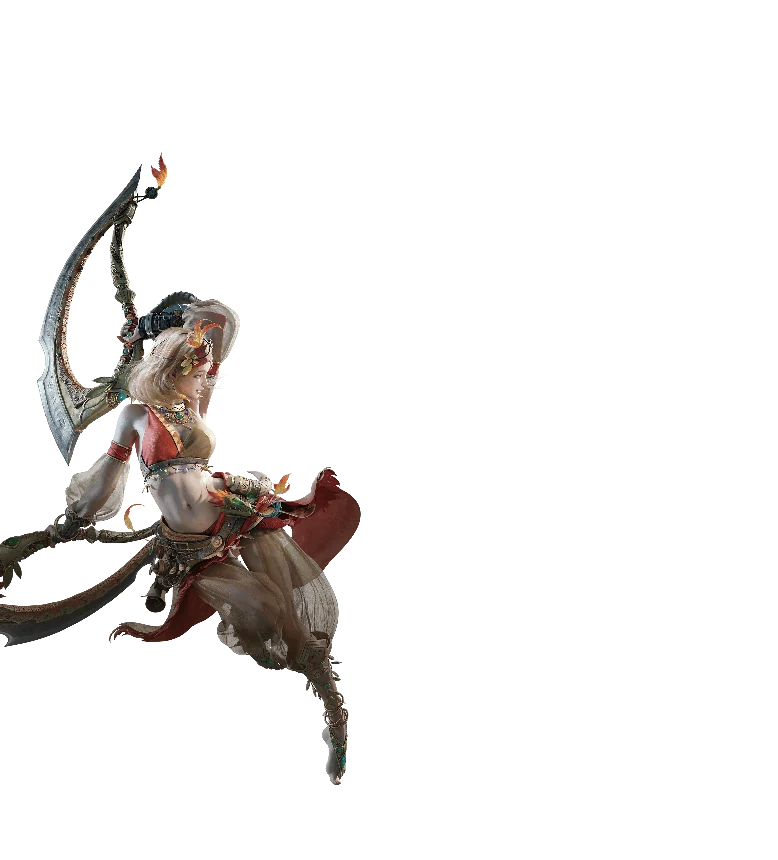
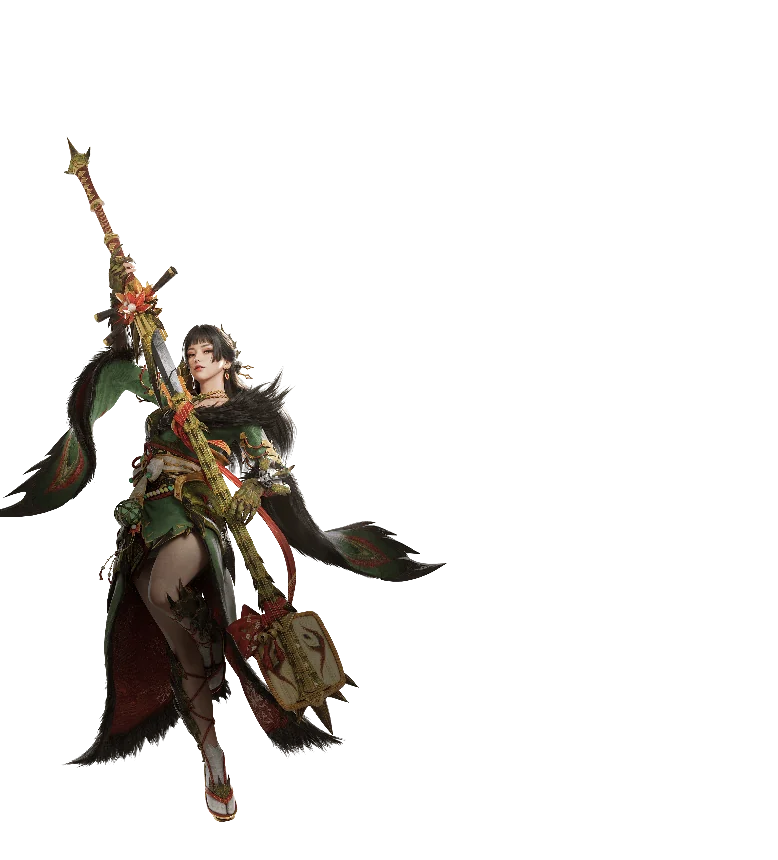
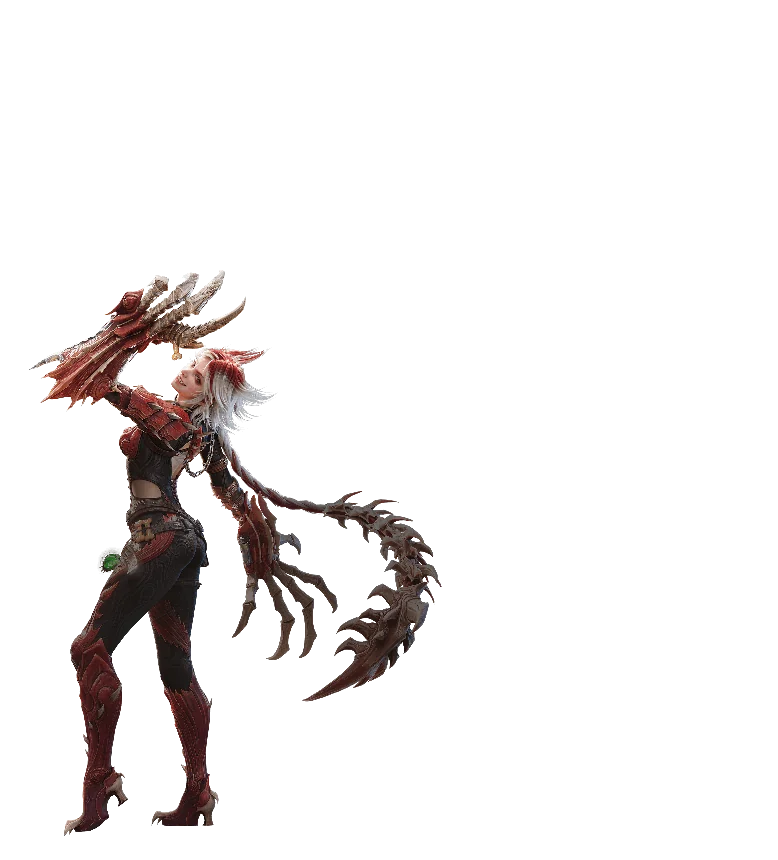
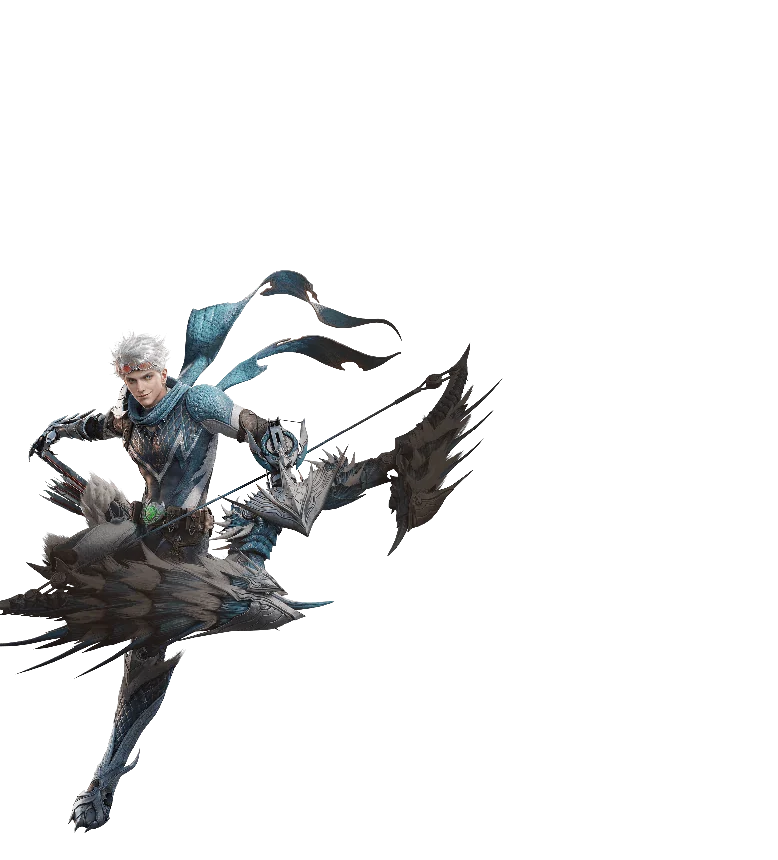
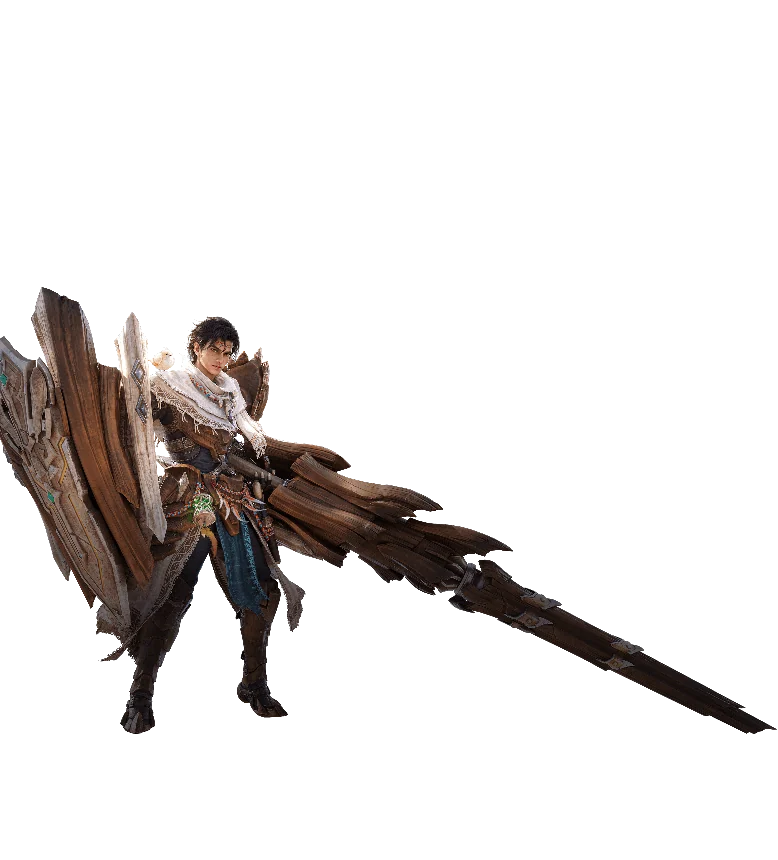
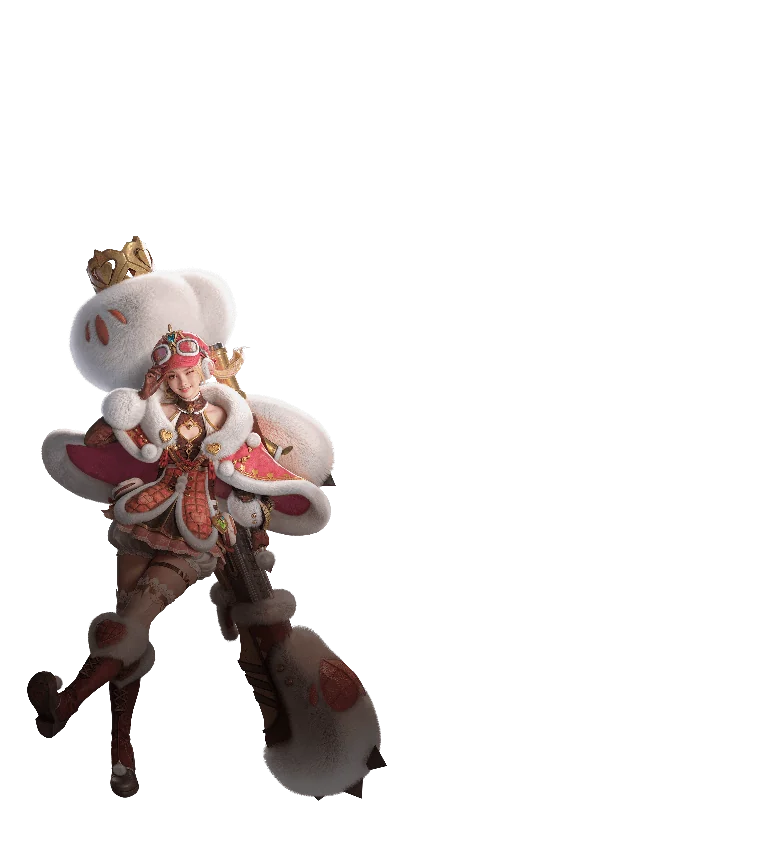
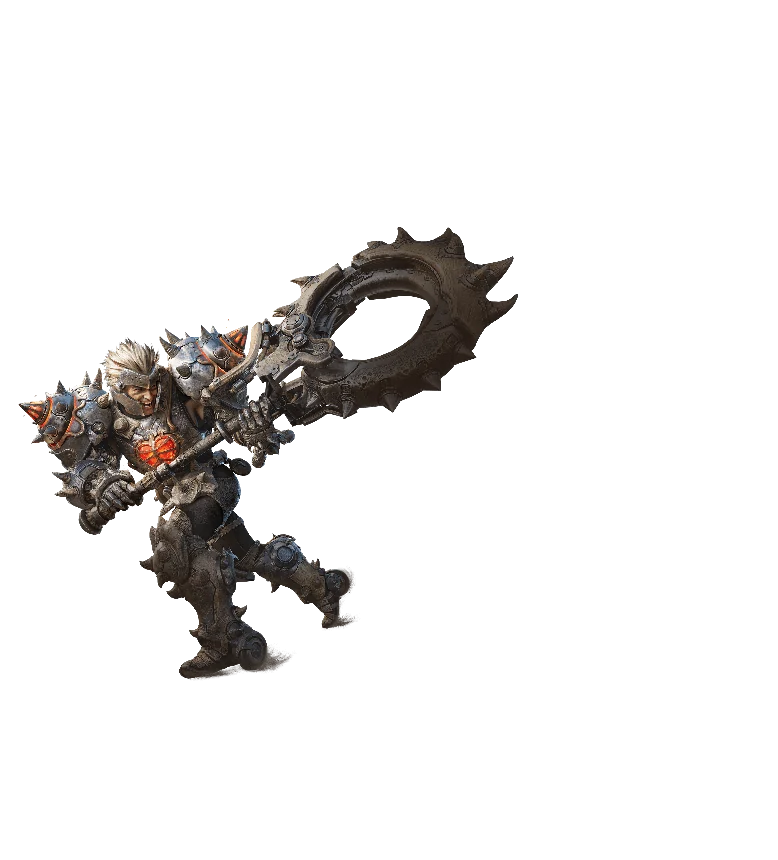
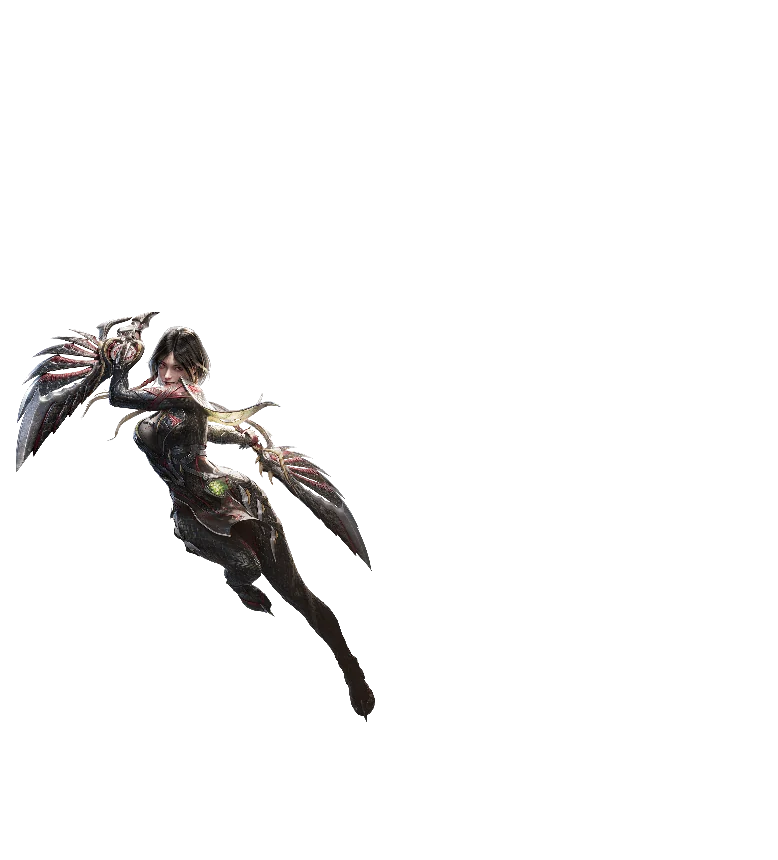
Madelyn, Arkaya, Pyro, and Raya — A, for different needs. Trial Madelyn for a Bow kit whose official description includes medicines and Spores. Try Arkaya for guard-led Lance play and a shield-related kit, checking the actual shield recipient in-client. Pyro is a deliberate burst trial for someone who enjoys Great Sword commitment. Raya is a mobile Dual Blades option to examine if the milestone reward is available to your account. Check the actual skill text before investing.
Midori, Keres, Luka, Ouyang Varen, and Pepper — B, specialist fit. Investigate the demand you enjoy: Midori’s Spirit rhythm, Keres’s sustained chains, Luka’s precise Bow play, Ouyang Varen’s guard-and-thrust rhythm, or Pepper’s ranged firing windows. The letter does not claim their damage falls below every A option.
Rhodes, Haze, Ryunosuke, and Luxheart — Review. Official profiles establish distinct kits, but launch evidence for stronger advice is still missing. Rhodes needs charge and interruption checks; Haze needs support-effect and follow-up checks; Ryunosuke needs food-stance checks; Luxheart needs stance and recovery checks. Review keeps the dossier available without treating missing tests as a low power score.
The Adventurer hub adds class filters and longer guidance. For co-op, use the hunt planner to decide who handles recovery, who needs a safe attack window, and what happens when the target changes direction.
Weapon tier decisions
The Monster Hunter Outlanders weapon tier list covers all eight store-listed weapon families. A includes Great Sword, Dual Blades, Lance, and Bow. B includes Long Sword, Hammer, and Heavy Bowgun. Charge Blade remains Unranked. These are learning-fit groups, not a universal damage order.
Choose A by rhythm. Great Sword asks you to recognize a punish and leave before the next attack. Dual Blades asks you to maintain pressure without spending your escape stamina. Lance offers a guard-led positioning trial. Bow is worth trying when you can aim and move together. The same letter covers different demands.
Choose B with a practice target. Long Sword needs a repeatable counter and resource rhythm. Hammer needs safe access to useful attack positions. Heavy Bowgun needs planned firing and recovery windows. If you enjoy that demand, the letter is no reason to discard the weapon. If you repeatedly get hit finishing a sequence, shorten it before buying an upgrade.
Keep Charge Blade separate. The Charge Blade guide records its store-listed presence. We have not verified its live move list, unlock path, or named character kit. Its absence from a confident rank is an evidence boundary, not a claim of weakness or unavailability.
The armory hub provides longer comparisons. Official videos there and in individual guides show pre-launch behavior: use them for visual context, then confirm the live actions.
CBT versus post-launch evidence
The game launched on October 29, 2026. This board was prepared after that date, but publication timing does not prove post-launch gameplay testing. Public profiles and older demonstrations do not establish unchanged damage, cooldowns, invulnerability windows, or recruitment economics.
We have not imported a closed-beta tier ranking. A future measured update should record client version, region, target, gear, skill levels, team, and test conditions. One successful demonstration would still need context before becoming advice for every hunt.
For now, narrow a trial rather than justify a pull or reroll. Save resources when the evidence cannot answer your question. The source ledger explains each reference’s limits.
Three useful first decisions
You own only starting options. Keep your main hunter progressing, learn a safe punish, and check codes and milestone rewards separately. A high letter on an unavailable character is no reason to stop playing or spend before understanding the banner terms.
You want a co-op support role. Read Madelyn’s and Arkaya’s actual skills, then ask what your squad lacks. Support is a class label, not a promise of universal healing or protection. Agree on a recovery plan before assuming a named support fixes the hunt.
You want to play on PC. Follow the emulator guide to test movement, camera, and recovery controls. A mouse might feel comfortable for aiming, but we have not reranked Bow for PC or measured an emulator advantage. Choose after the input test.
Tier list questions
Who is the best Adventurer in Monster Hunter Outlanders?
This guide has no tested universal winner. Fated Adventurer receives S-flex for flexibility; Madelyn, Arkaya, Pyro, and Raya receive conditional A recommendations for different needs, not damage leadership.
What is the best weapon for a beginner?
Try a rhythm you can control: deliberate Great Sword punishes, mobile Dual Blades, guard-led Lance, or aimed Bow play. The board rates learning fit and leaves Charge Blade unranked pending client checks.
Is this a CBT tier list?
No. It is a provisional post-launch planning board dated October 30, 2026. Some cited demonstrations are pre-launch, and no live damage benchmark or beta ranking is presented as a tested launch result.
Should I reroll because my Adventurer is B or Review?
No. B means a specific practice fit and Review means insufficient evidence. Neither establishes that an account is bad. Learn the kit and read current recruitment rules before spending or restarting.